Container Hire in Birmingham
Container hire for short and long-term storage
Hiring a shipping container can suit temporary storage, construction work, stock overflow, school refurbishments, retail storage, workshop support, farm equipment, event logistics and domestic moves. It can also help when a project has a clear start date but no fixed end date.
A hired container remains the supplier’s property. That means the hire terms, condition on delivery, collection arrangements and permitted use need to be clear before the unit arrives. Do not assume a hire container can be moved, altered, repainted, exported or used for regulated goods unless this has been agreed.
Buying may be a better route where the container will stay in place for a long period, needs extensive work or will become part of a permanent layout. Compare this option with shipping containers for sale before deciding.


What to agree before hiring
Container hire works best when the use, site and responsibilities are agreed early. This helps avoid failed delivery, extra handling, door problems, site damage or disputes at collection.
- Hire duration: confirm the expected hire length and what happens if the project runs longer.
- Ownership: the unit remains a hire asset and must be returned in acceptable condition.
- Collection: keep access open for the vehicle and crane at the end of hire.
- Relocation: do not move the container to another site unless agreed.
- Damage: check responsibility for dents, floor damage, door damage, paint damage, contamination, lost keys and lock damage.
- Modifications: cutting, drilling, welding, lining, painting, fitting electrics or adding fixtures must be agreed before work starts.
- Use: check before storing hazardous, high-value, temperature-sensitive, food, medical or regulated goods.
Where you need personnel doors, windows, lining, insulation, electrics, racking or a workshop layout, discuss container modifications. A modified hire unit may not suit every project, and purchase can sometimes provide more flexibility.


Container types available for hire
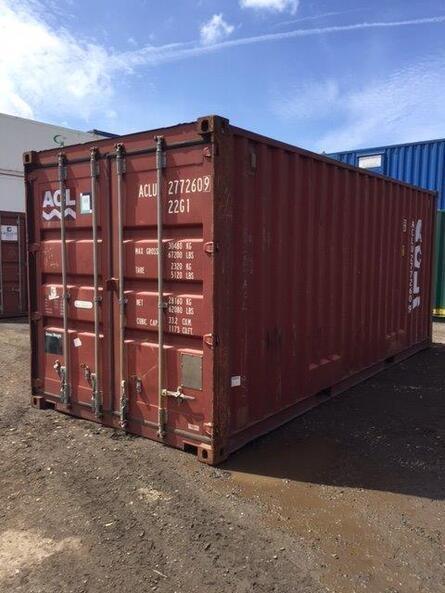
Most hire enquiries are for dry storage containers. A dry container is a steel container used for general goods that do not need temperature control. Other container types are available for more specific loading or storage needs, but they may need extra checks before hire.
| Container type | Common hire use | Key check |
|---|---|---|
| 10ft dry container | Small sites and compact storage | Availability and handling method |
| 20ft dry container | Tools, stock, materials and mixed storage | Door access and loading space |
| 40ft dry container | Bulkier items and larger storage volume | Turning room and placement area |
| High cube container | Taller loads or racked storage | Overhead clearance |
| Open side container | Side loading and frequent access | Clear space along the side |
| Refrigerated container | Temperature-controlled goods | Power, monitoring and suitability |
| Open top container | Oversized items loaded from above | Lifting plan and weather exposure |
| Flat rack container | Awkward cargo and heavy items | Load restraint and transport plan |
Open top and flat rack containers are specialist units. They are not usually the first choice for secure everyday storage. Refrigerated containers need power, operation checks and monitoring, so confirm the product being stored and the temperature range required.
Condition grades and hire suitability
Container grade affects storage performance and transport suitability. Hire units used for static storage do not always need the same documents as containers used for shipping, but the condition still matters.
- Wind and watertight: the roof, walls and doors should keep normal weather out during static storage.
- Used: the container may show dents, surface rust, repairs and paint wear.
- One-trip: a newer unit that has usually completed one cargo journey before UK use.
- Cargo-worthy: a container assessed for cargo use, subject to inspection, documentation and acceptance.
- IICL: a higher inspection and repair standard often linked to leasing and shipping-line expectations.
- CSC-plated: a container with a Container Safety Convention plate, subject to condition, inspection status and acceptance.
Age, repairs, certification and carrier acceptance vary. Do not assume a standard storage hire unit can be used for export, shipping, hazardous goods or regulated cargo without checking the grade, documents, intended cargo and carrier requirements.


Shipping Container Hire FAQs
How quickly can a hire container be delivered?
Delivery depends on availability, vehicle scheduling, access checks, paperwork and site readiness. Do not rely on a delivery date until the route, ground and crane placement have been checked.
Can I place a hired container on the street?
A street, pavement, verge or public highway placement may need permission from the relevant authority. Check before booking because safety, traffic, insurance and enforcement issues may apply.
Can I move a hired container myself?
Do not move a hired container without agreement. Unauthorised relocation can damage the unit, create access problems and affect collection, insurance and hire terms.
Can I drill or alter a hire container?
Only where agreed in advance. Cutting, drilling, welding, painting, lining or fitting electrics can damage the container and may breach the hire terms.
What ground does a hire container need?
The ground should be firm, level and suitable for the delivery vehicle, crane operation and loaded container. Soft grass, mud, weak paving and poor drainage can cause failed delivery or later door problems.