Energy, Oil, and Gas Shipping Container Solutions
Secure Infrastructure for Midlands Energy Projects
The energy sector requires robust infrastructure capable of withstanding harsh outdoor conditions. Shipping Containers of Birmingham supplies specialised steel units to protect sensitive electrical and mechanical gear. These units are made of Cor-Ten steel, a weathering steel that forms a protective layer to prevent deep rust. We ensure all units are wind and watertight. Wind- and watertight means the unit is fully sealed against rain and wind, keeping the interior dry. Whether you are managing a solar farm in Warwickshire or a gas facility in the Black Country, our units provide the durability needed for long-term site use.
The transition to green energy across the Midlands creates a high demand for secure, modular space. Many firms buy containers to create permanent housing for power systems. For short-term infrastructure upgrades or drilling projects, you can rent containers to manage costs. Using steel units allows for rapid deployment, which is vital when project timelines are tight. We supply both new and used units to suit your budget and technical requirements.
- Tool and cable storage: Secure high-value equipment in a lockable steel box. A 20ft shipping container is the ideal size for site assets.
- Project equipment storage: Manage large-scale components such as transformers and drilling parts in a 40ft shipping container.
- Spare parts and maintenance stock storage: Keep essential components organised and ready for rapid access during downtime.
- Battery and inverter housing: We can modify containers with insulation and cooling for energy storage systems.
- Chemical drum and hazmat containment: Use units with spill-containment flooring for safe handling of oils and chemicals.
Renewable Energy and Battery Storage (BESS)
Renewable energy projects often rely on Battery Energy Storage Systems (BESS) to manage grid load. Shipping Containers of Birmingham provides the base units for these systems. A 20ft or 40ft refrigerated container can be repurposed to maintain the stable temperatures required for large battery arrays. These cold-storage units feature built-in insulation and a high-performance cooling plant, making them a perfect starting point for thermal management systems.
For solar and wind projects, on-site energy storage is essential. We work with engineers to modify units with cabling apertures, reinforced floors for heavy battery racks, and fire-suppression systems. By using a modular steel unit, you can scale your energy storage capacity by simply adding more containers to the site as your needs grow.
Specialist Equipment for Heavy Energy Infrastructure
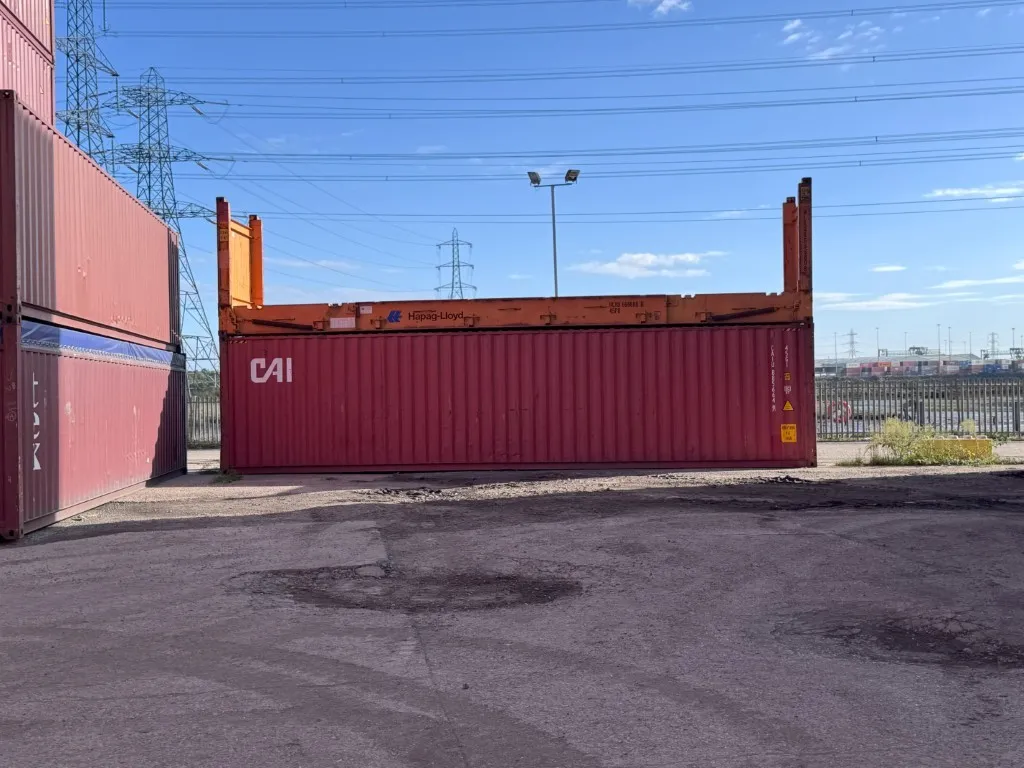
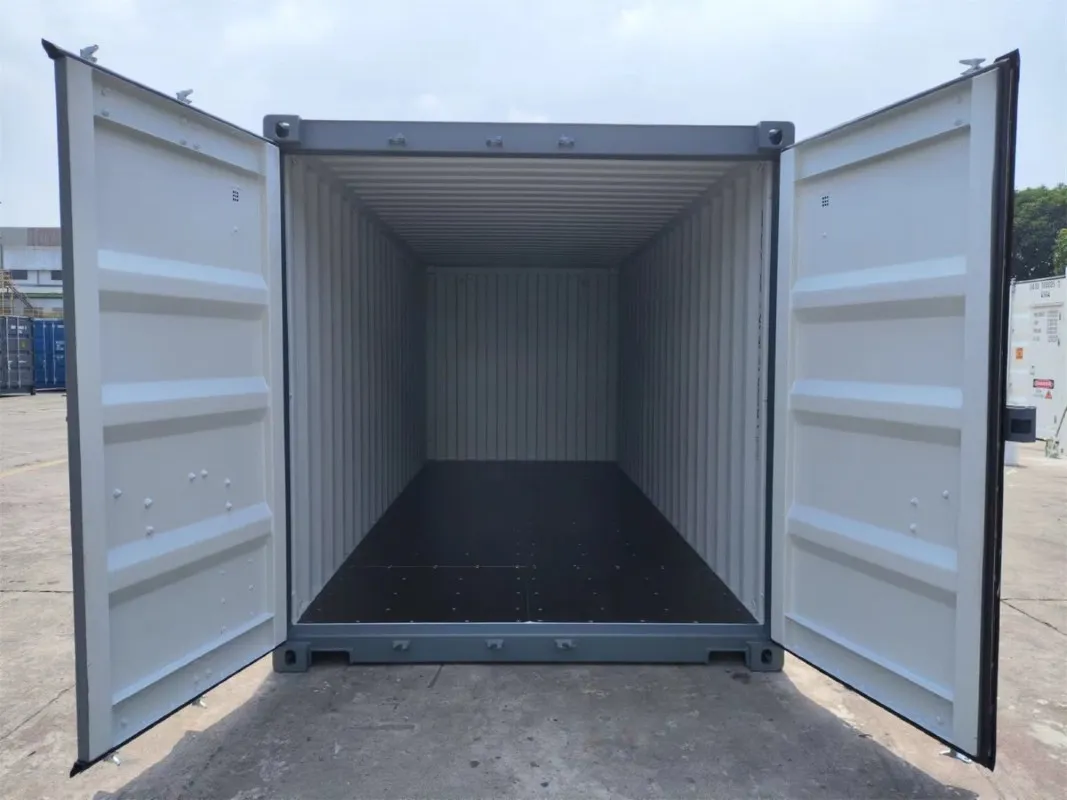
The oil and gas industry often handles oversized machinery and heavy plant that will not fit through the standard end doors of a container. Shipping Containers of Birmingham stocks specialist equipment to solve these logistical challenges. If you need to load heavy transformers or pump sets from above using a crane, we provide 20ft and 40ft open-top containers. These units feature a removable tarpaulin instead of a solid steel roof.
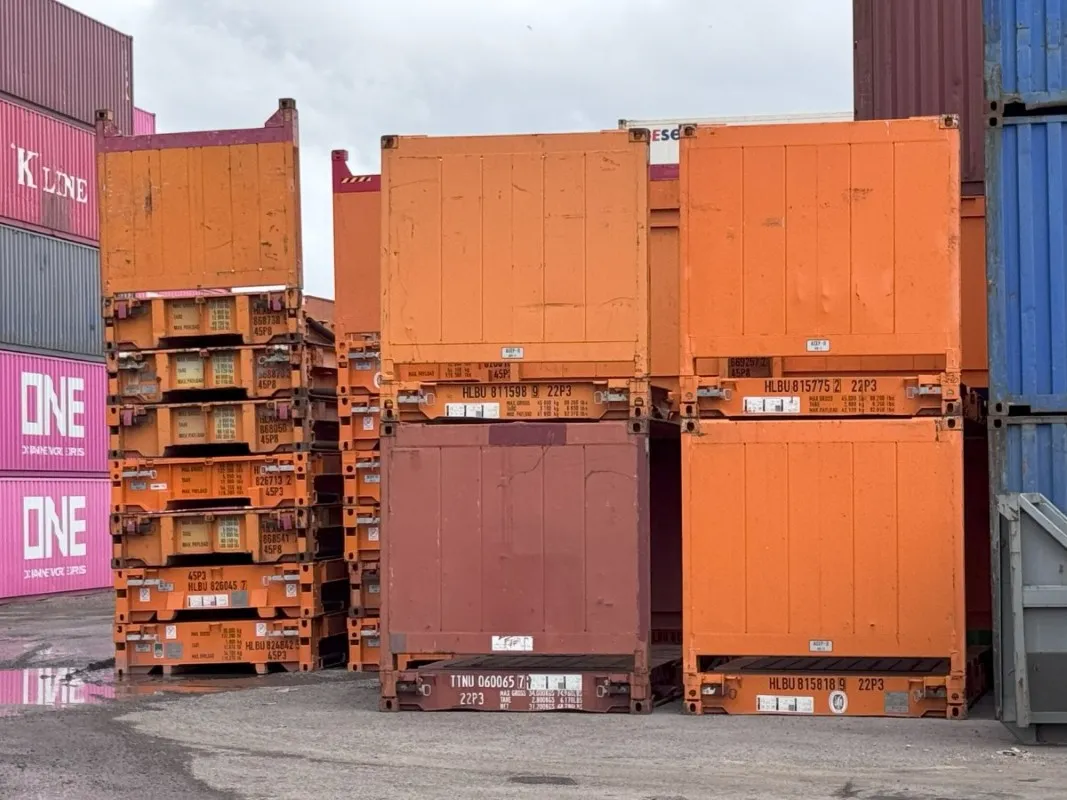
For side-loading long pipes or wide switchgear, a 20ft open side container allows a forklift to access the entire length of the unit. When the cargo is exceptionally bulky or heavy, such as large turbines or generators, a 20 ft or 40ft flat rack container is the best choice. These units have no side walls, providing a reinforced platform for heavy industrial loads.
Project Mobility and Regional Logistics
Project mobility is vital for the oil and gas industry and energy network contractors. Shipping Containers of Birmingham provides units that serve as mobile hubs for field analysis and reporting. These units move with your project, allowing you to move containers between sites across the Midlands and beyond. Our logistics team understands the complexities of delivering to remote utility sites and busy industrial zones.
We deliver using HIAB vehicles. A HIAB is a lorry with a hydraulic crane arm that lifts the container into place. This allows us to place units in tight spaces or over obstructions. Before we arrive, you must consider the unit's tare and payload. Tare is the weight of an empty container. Payload is the maximum weight of cargo the container can hold. For a standard 20ft unit, the tare is about 2.2 tonnes, which must be considered for crane reach and ground pressure. You can learn more about our transport capabilities on our dedicated service page.
- Control room containers: Create a quiet, temperature-controlled space for site monitoring.
- Switchgear and plant housing: Protect electrical boards from the elements and theft.
- Field offices for energy projects: Set up a professional workspace in any location.
- Mobile workshop units: We add workbenches and power to create a portable repair shop for on-site fabrication.
- Site welfare: Use 20ft units to provide drying rooms and canteens for your engineering crews.
Technical Compliance and Condition Grades
When working in high-stakes industries like oil and gas, compliance is not optional. Shipping Containers of Birmingham ensures your units meet the required standards. For international projects or offshore use, every container must have a valid CSC plate. A CSC plate is a safety approval plate used for international shipping to prove the unit is structurally sound. We also offer units that meet the IICL standard. IICL represents the highest repair standard set by the International Institute of Container Lessors.
For most on-site storage and housing needs, you can choose between a one-trip unit or a used unit. A one-trip container refers to a new container that has made a single journey from the manufacturer. These units offer the best aesthetics and the longest lifespan for permanent housing. Used units are a cost-effective choice for general storage and tool security, provided they are maintained to be wind and watertight. Regardless of the grade, we fit a lock box as standard to protect your padlock from bolt cutters.
Ready to Start Your Container Project?
Get expert advice on container sales and hire today.
Site Preparation and Planning Permission
Placing a container on an energy site requires proper planning. You must ensure the ground is level and firm to prevent the frame from twisting. We recommend concrete pads or compacted gravel. If the unit is not level, the heavy steel doors may become difficult to operate. For permanent installations, such as a battery sub-station, you should check with your local council. We suggest you check with the Birmingham City Council planning portal or the relevant authority for your project area. Shipping Containers of Birmingham can provide technical drawings and dimensions to help with your application.
How do you protect sensitive electronics in a steel container?
We can modify units with high-grade insulation and air conditioning to maintain a stable environment. This prevents heat buildup and moisture ingress. We also mitigate "container rain," which is condensation that forms on the roof and drips on your gear. Using an insulated 20ft shipping container ensures your electrical switchgear remains dry and functional.
What is the difference between a one-trip and a used container for energy sites?
A one-trip container is essentially a new unit and is the best choice for housing sensitive plant or for use as a professional site office. Used containers are retired by shipping lines but remain wind and watertight. These are perfect for storing scaffolding or heavy project tools. You can get container prices for both grades to see which fits your budget.
Can you deliver containers to remote wind farms or solar sites?
Yes, we specialise in Midlands-wide delivery. Our HIAB trucks can reach remote areas, provided there is a firm access track. We can also move containers from one phase of a project to the next as your infrastructure develops. Always inform us of overhead power cables or soft ground before we dispatch the vehicle.
Can a shipping container be used for hazardous material storage?
Yes, but the unit must be modified. We can fit bunded floors, which are internal trays designed to catch leaks from oil or chemical drums. We can also add specialist ventilation to prevent the buildup of fumes. If you need to store temperature-sensitive chemicals, a 20ft refrigerated container can be used to maintain a specific temperature range.
How much weight can a 40ft container hold?
The payload of a 40ft shipping container is typically around 26 to 28 tonnes. This makes them ideal for storing heavy drilling equipment or large quantities of spare parts. You must ensure that your site foundations can support the unit's combined tare and payload when fully loaded.
Do your containers come with a warranty or certification?
All our units are inspected to ensure they are wind and watertight. For those needing to ship cargo overseas, we provide units with a current CSC plate. You can find more details on our about us page regarding our quality control and industry certifications.