

Mining and Quarrying Shipping Container Solutions
Mining storage for tools, parts and equipment
Mining and quarrying sites need practical storage for tools, spares, maintenance supplies and equipment. A shipping container can create a lockable storage area close to the working operation, helping keep essential items together and protected from exposure to dust and rain.
Shipping Containers of Birmingham supplies containers for mining and quarrying applications, with options to buy containers for longer-term use or hire containers for a temporary contract or changing site requirement.
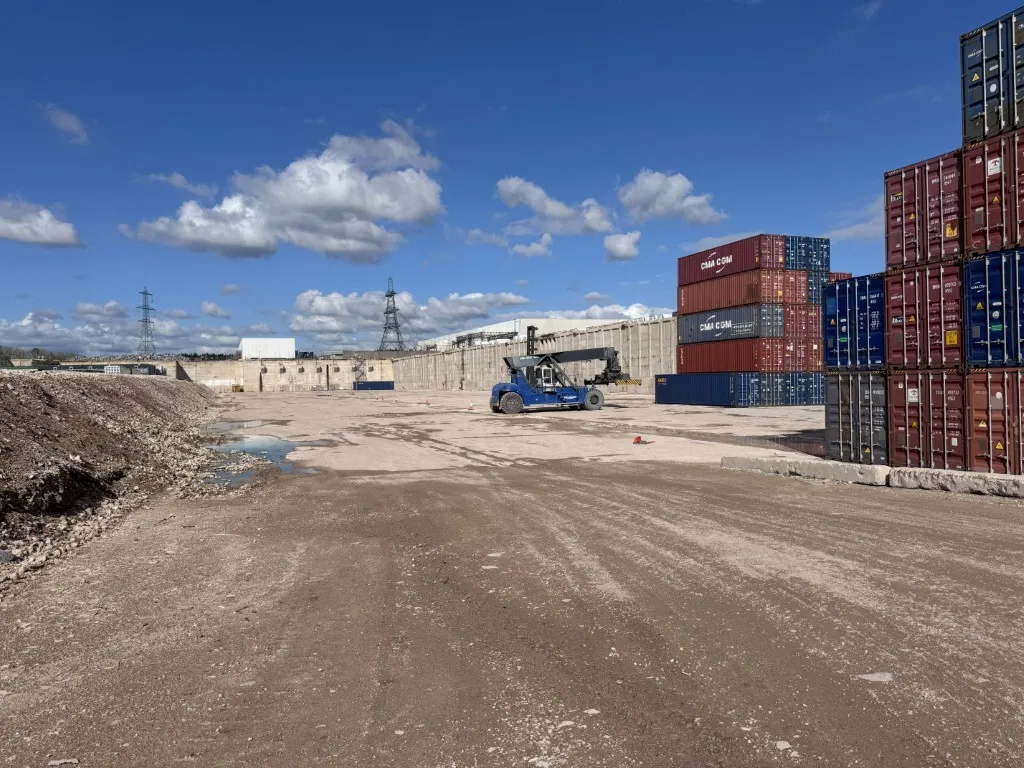
A wind and watertight container is intended to keep out ordinary wind-driven rain when its doors, seals and panels are in suitable condition. The condition required depends on the goods being stored, so discuss your storage needs when choosing a unit.
- Tools and maintenance stock: Store drills, hand tools, hoses, filters and other supplies in one accessible location.
- Plant and machinery components: A 40ft shipping container provides more storage length for larger parts and equipment than a standard 20ft unit.
- Spare parts and consumables: Shelving or suitable internal storage can help separate items and make stock easier to find.
- Safety equipment: Keep helmets, boots and high-visibility clothing in a dedicated, enclosed area away from dust and general site traffic.
Choosing a container size for mining operations
A 20ft shipping container can suit a tool store, parts store or smaller maintenance area where the available footprint is limited. A 40ft container offers greater storage length and may be more suitable for larger components, longer items or a higher volume of stock.
Ready to Start Your Container Project?
Get expert advice on container sales and hire today.
Think about the items that will be loaded, how often they will be accessed and the equipment used to move them. Door position, internal layout and room around the container can all affect how easily workers can load and retrieve tools or parts.
Do not choose a container based on storage volume alone. The proposed position should provide firm, reasonably level support suited to the site and expected load. Soft or uneven ground can contribute to settlement and affect door operation. Drainage, access for loading and future collection should also be considered.
Specialist containers for mining equipment
Some mining components are difficult to load through standard end doors. Where access from above is useful, 20ft open-top containers and 40ft open-top containers can provide a more suitable loading arrangement. Open-top containers use a removable cover rather than a fixed steel roof, allowing certain items to be loaded from above where the site equipment and delivery plan allow it.
For long pipes, wide components or machinery that needs side access, a 20ft open-side container can make loading and unloading more practical. A flat rack may be considered for cargo that cannot be enclosed within a standard container. The 40ft flat rack container has no conventional side walls, so the loading method, securing arrangement and transport requirements need careful checking before selection.
These specialist types are not suitable for every mining storage requirement. The goods, handling equipment, weather exposure and intended use should guide the choice.
Where a container needs internal changes for a particular mining application, container modifications can be discussed. Any proposed work should be assessed against the intended use and the items to be stored. Do not assume that a modified container provides a particular electrical, fire, insulation or structural performance unless this has been confirmed for the specification.
Container condition and site security
Container condition matters when storing tools, equipment or stock on a mining site. One-trip usually describes a container that has generally completed a limited initial shipping journey. Used containers have had previous service and should be assessed for the condition needed for your application.
Wind and watertight describes protection against ordinary weather when the container is in suitable condition. It does not mean airtight, and condensation can still occur when temperature and humidity change. Ventilation, lining or insulation may be considered for goods that could be affected by moisture, but these measures should be matched to the storage environment rather than treated as a guarantee.
A lock box shelters the padlock within a steel housing and can reduce its exposure to cutting tools. It should be used with an appropriate padlock and sensible site security arrangements. A steel container should not automatically be treated as theft-proof, particularly where valuable equipment is stored in an isolated location.
If the container or its contents may later be used for freight, check the required condition and documentation before making a selection. A condition grade or CSC status should not be assumed from appearance alone.
HIAB delivery to mining and quarrying sites
Shipping Containers of Birmingham uses HIAB delivery in Birmingham. HIAB is the common UK term for a lorry-mounted crane used to unload and position a container. The delivery plan depends on whether the vehicle can reach a suitable lifting position and place the container safely.
Review the access route, turning space, vehicle position and proposed container location before ordering. Check for overhead obstructions, including cables, trees and structures, and consider the direction in which the doors will open. The ground should be firm and reasonably level for the container and the delivery operation. A site may have enough room for the container itself but still be unsuitable if the HIAB vehicle cannot reach an appropriate position.
Future access matters too. Leave enough space for loading, maintenance and any later collection or repositioning. If the proposed placement or approach is complex, container movement services may also be relevant when the working area changes.
Planning considerations for mining sites
Planning requirements can depend on how the container will be used, how long it will remain in place, the status of the site, its visibility, nearby neighbours and local planning policy. A permanent storage unit, workshop or site facility may need different consideration from a container used for a short-term operation.
Listed buildings, conservation areas, a change of use or a prominent position may create additional considerations. Planning permission is not automatically required or excluded for every container placement. Check current requirements with the relevant planning authority before committing to the proposed placement or use.
Once the size, condition, loading method and site position are clear, you can request container prices for the mining or quarrying requirement.
