Warehousing and Storage Shipping Container Solutions
Industrial Capacity and Stock Management in the Midlands
The Midlands sits at the heart of the UK logistics network. Warehouse managers across Birmingham, Solihull, and Coventry face constant pressure to manage inventory cycles and stock surges. Shipping Containers of Birmingham provides a fast, cost-effective way to expand your floor space without the high overheads of a traditional warehouse lease or long-term building project. Our steel units consist of Cor-Ten steel. Cor-Ten is a weathering steel that forms a protective layer of rust to prevent deep corrosion, ensuring your assets remain secure for decades in an industrial yard.
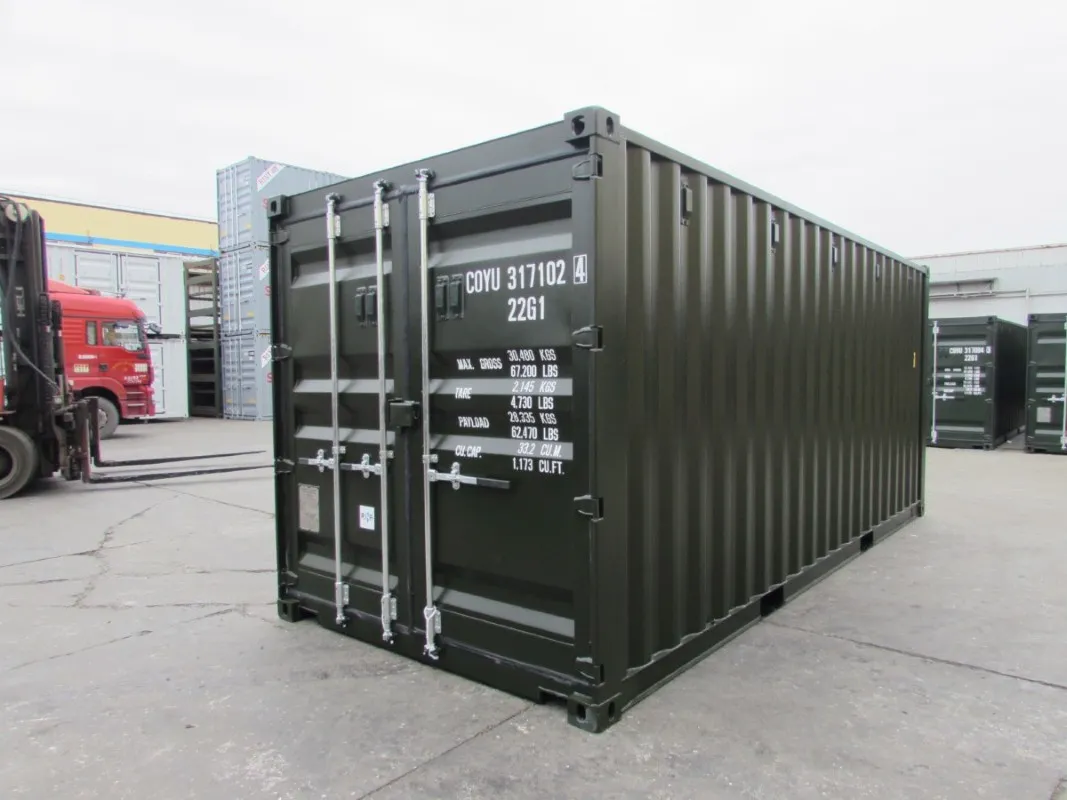
Choosing to buy containers allows you to create a permanent extension of your stockroom. If you only need to handle a seasonal peak, such as Black Friday or Christmas inventory, you can rent containers to keep your main aisles clear. Every storage unit we supply is wind and watertight. Wind and watertight means the unit is fully sealed against rain and wind with intact door seals to keep the interior dry. This protection is vital for paper goods, electronics, and palletised stock that cannot tolerate damp.
Secure Storage Solutions for Warehousing
Security is the most important factor when you store business assets outside. Shipping Containers of Birmingham supplies heavy-duty boxes that serve as secure vaults for your goods. We fit a lock box as standard on most storage units. A lock box is a steel shroud that protects your padlock from being cut with bolt cutters or saws. This makes the unit extremely difficult to breach, even on remote industrial estates.
- General stock storage: Protect pallets and boxes in a secure steel environment. We recommend a 40ft shipping container for high-volume inventory.
- Archive and records storage: Use a 20ft shipping container for secure archive storage. We recommend new one-trip units for archives. A one-trip container is a new unit that has made only one journey from the factory to the UK, ensuring the interior is pristine and odour-free.
- Equipment and machinery storage: Secure spare parts, forklift attachments, and plant gear in a lockable hub.
- Seasonal overflow storage: Manage peaks by hiring units only when you need them most.
- Business asset protection: Keep expensive tooling, moulds, and tech safe from theft during warehouse refurbishments.
Specialist Containers for Industrial Loading
Standard containers work well for many goods, but the warehousing industry often handles oversized cargo or requires faster pallet access. Shipping Containers of Birmingham stocks specialist equipment to solve these loading challenges. If you need to load heavy machinery or tall items from above using a yard crane, the 20ft open-top container or 40ft open-top container is the correct tool. These units replace the steel roof with a removable tarpaulin.
For side-loading long metal extrusions or wide pallets of stock, we recommend the 20ft open side container. This unit has doors that open along the full length of the side wall, which gives a forklift unrestricted access to the entire floor space. If you handle exceptionally heavy or wide loads that exceed the dimensions of a standard box, a 20ft flat rack container or a 40ft flat rack container provides a reinforced platform without side walls.
For temperature-sensitive inventory such as pharmaceuticals or specific food chemicals, we supply 20ft and 40ft refrigerated containers. These units feature a high-performance cooling plant and aluminium T-bar floors designed to allow cold air to circulate under your pallets, ensuring an even temperature throughout the cargo.
Operational Expansion and Conversion Solutions
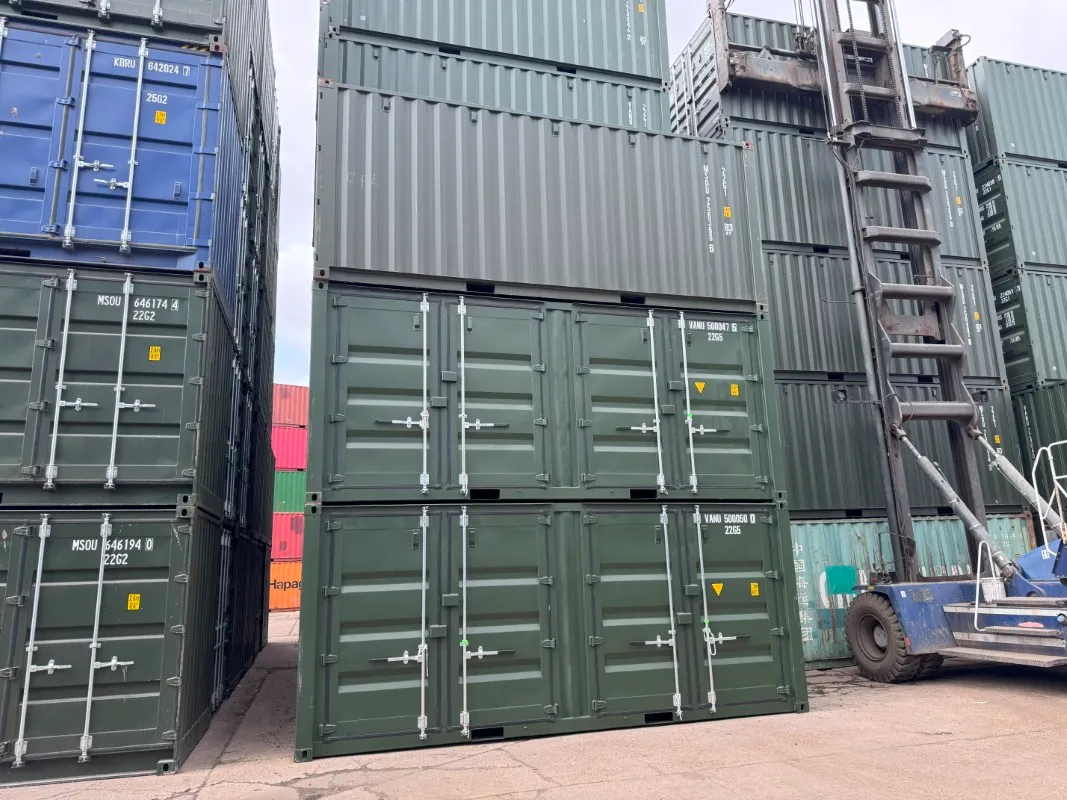
Modern warehousing requires flexible, relocatable infrastructure. Shipping Containers of Birmingham can modify containers to serve as functional extensions of your main warehouse floor. These units move with your business, allowing you to move containers between different sites across the Midlands as demand shifts. This relocatable nature makes them a smarter investment than permanent brick-and-mortar structures.
- Yard storage units: Maximise your external yard space with secure steel boxes that resist the weather.
- Temporary warehouse support space: Set up a dedicated hub for specific project inventory away from your daily operations.
- Packing and dispatch support units: We fit units with insulation, lighting, and workbenches for order processing and order fulfilment.
- Mobile office containers: Create professional, quiet hubs for traffic offices, yard managers, and security staff.
- Maintenance workshops: Add power and tool racking to create a dry space for on-site machinery fixes and fabrication.
You can learn more about our history of supporting the Midlands distribution network and our quality standards on our dedicated page.
Technical Specifications for Logistics Planning
When you plan your yard layout, you must consider the technical constraints of the steel boxes. Shipping Containers of Birmingham provides all the data needed to ensure a safe placement. You should check the tare weight of every unit. Tare is the weight of the empty container. A 20ft unit has a tare of about 2.2 tonnes, while a 40ft unit weighs roughly 3.8 tonnes. This weight is essential for planning your HIAB crane lift.
You must also check the payload. Payload is the maximum weight of cargo the container can safely hold. For a standard 20ft unit, the payload is over 28 tonnes. If you intend to use the container for international transport, it must have a valid CSC plate. A CSC plate is a safety certificate that proves the unit is structurally fit for international shipping and stacking. For businesses that require the highest benchmark for repair and condition, we offer units that meet the IICL standard. IICL refers to the International Institute of Container Lessors, the industry's highest repair standard.
Ready to Start Your Container Project?
Get expert advice on container sales and hire today.
Delivery, Access, and Site Preparation
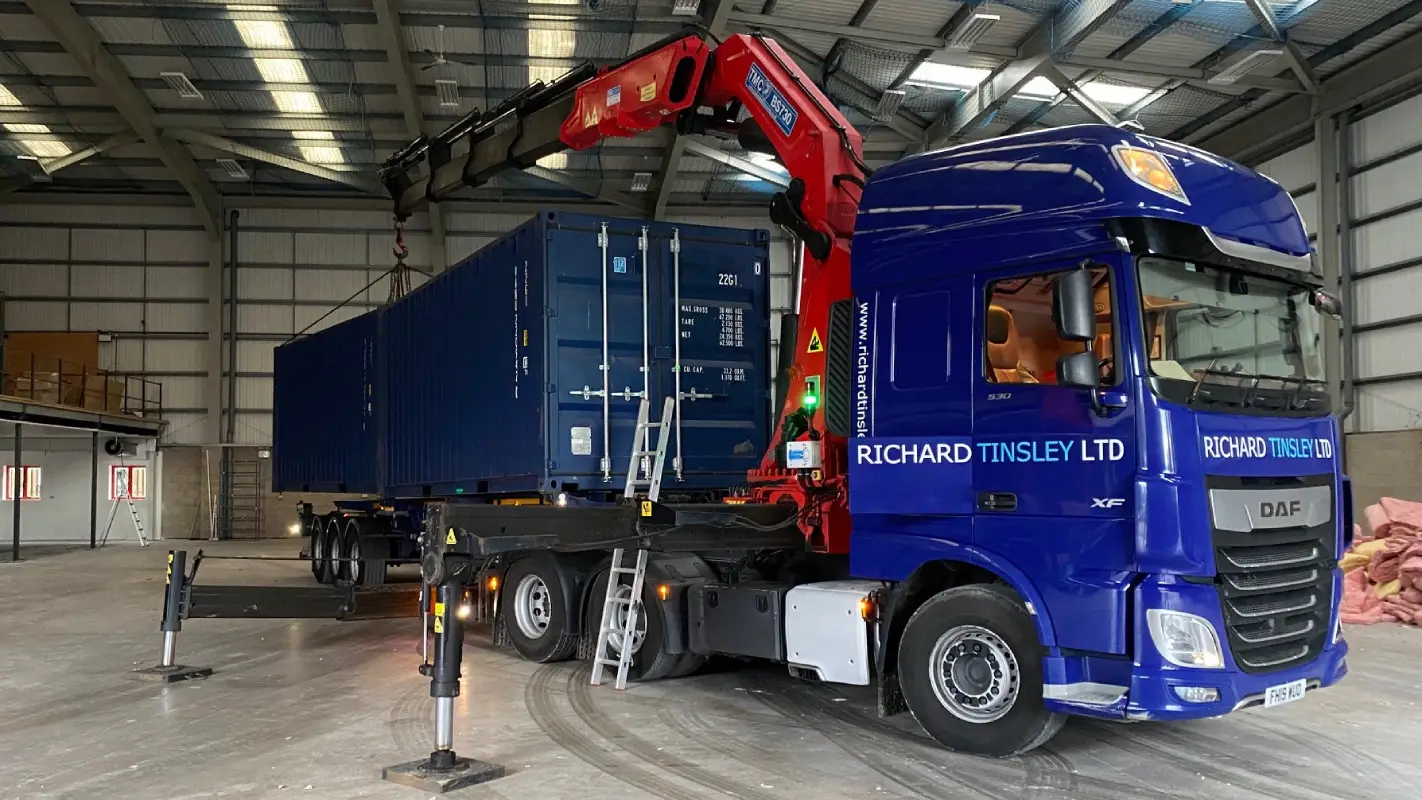
We deliver all units using HIAB vehicles. A HIAB is a lorry with a hydraulic crane that can lift the container and place it exactly where you need it. This allows us to place units in tight yard spaces or over small walls without the need for a separate crane on site. Our drivers have experience delivering to busy industrial estates and distribution centres across Birmingham and the Black Country. We can even double-stack units to save space, provided you use twist locks. Twist locks are heavy-duty steel connectors that lock the corners of containers together for safety.
To ensure a safe delivery, you must check your ground conditions. We deliver onto hard-standing ground, such as concrete, tarmac, or compacted roadstone. We cannot deliver onto soft mud or grass as the heavy HIAB vehicle will sink. You must also check for overhead obstructions. Live power cables are a major hazard, and we require significant clearance to operate the crane safely. Contact us before you get container prices if your site has difficult access or height restrictions.
Planning Permission and Compliance
While shipping containers are often considered temporary structures, you should still check local regulations if you plan to keep a unit on your industrial site permanently. Rules can vary by location and unit size. We recommend you check the UK Planning Portal for guidance on structures at industrial or warehousing sites. Shipping Containers of Birmingham can provide the dimensions and drawings needed to support any application to the Birmingham City Council planning portal or your relevant local authority.
What is the payload of a 40ft container for warehouse stock?
The payload is the maximum weight of cargo you can safely load into the unit. For a standard 40ft shipping container, this is roughly 26,000kg to 28,000kg. You should always check the CSC plate on the container doors for the exact figures. Shipping Containers of Birmingham ensures every unit is structurally sound to handle its maximum rated weight. Visit our about page for more technical specifications.
How do you prevent condensation in paper archive storage?
Temperature changes can cause "container rain," which is moisture that forms on the roof and drips. To prevent this, we can modify your unit with anti-condensation coatings or internal insulation and lining. This keeps your paper records and textbooks dry and prevents mould growth in a wind and water-tight environment. We recommend a one-trip 20ft shipping container for the best results with sensitive documents.
How quickly can you deliver to a depot in Birmingham?
We usually deliver within a few working days. Shipping Containers of Birmingham carries a large regional stock of new and used units, allowing us to respond quickly to your site needs. Once you get container prices and confirm your order, we schedule the HIAB delivery immediately to help you manage your inventory capacity.
Do I need a special foundation for yard storage containers?
The ground must be level and firm, such as concrete, tarmac, or compacted road stone. If the surface is not level, the container frame may twist, which makes the heavy steel doors difficult to open and close. We recommend using concrete blocks or railway sleepers at the four corners to keep the unit level and off the ground. Check the UK Planning Portal for rules on permanent structures.
Can you move a storage container we already own?
Yes, we specialise in moving containers across the Midlands. If you are relocating your warehouse or moving assets between hubs, our HIAB transport team can safely lift and transport them. We can move empty units or those with secured tools inside, provided the weight is within our crane's lifting capacity.
What is the difference between a one-trip and a used container?
A one-trip container is essentially a new unit and is the best choice for office conversions or archive storage where appearance is important. Used units are more affordable but may have dents and surface rust from their time at sea. Regardless of the grade, Shipping Containers of Birmingham ensures every storage unit is wind and watertight to protect your inventory. You can find more details on our home page.