Healthcare Industry Shipping Container Solutions
Secure Medical Storage for Midlands Healthcare Facilities
Healthcare facilities across the Midlands often struggle with fixed space constraints. Shipping Containers of Birmingham provides a rapid way to expand storage for medical equipment and essential supplies. Our steel units consist of high-strength Cor-Ten steel. This is a weathering steel that forms a protective rust layer to prevent deep corrosion, ensuring your assets remain secure and dry for years. Whether you manage a large NHS trust or a private clinic, we provide the infrastructure needed to maintain a tidy and efficient site.
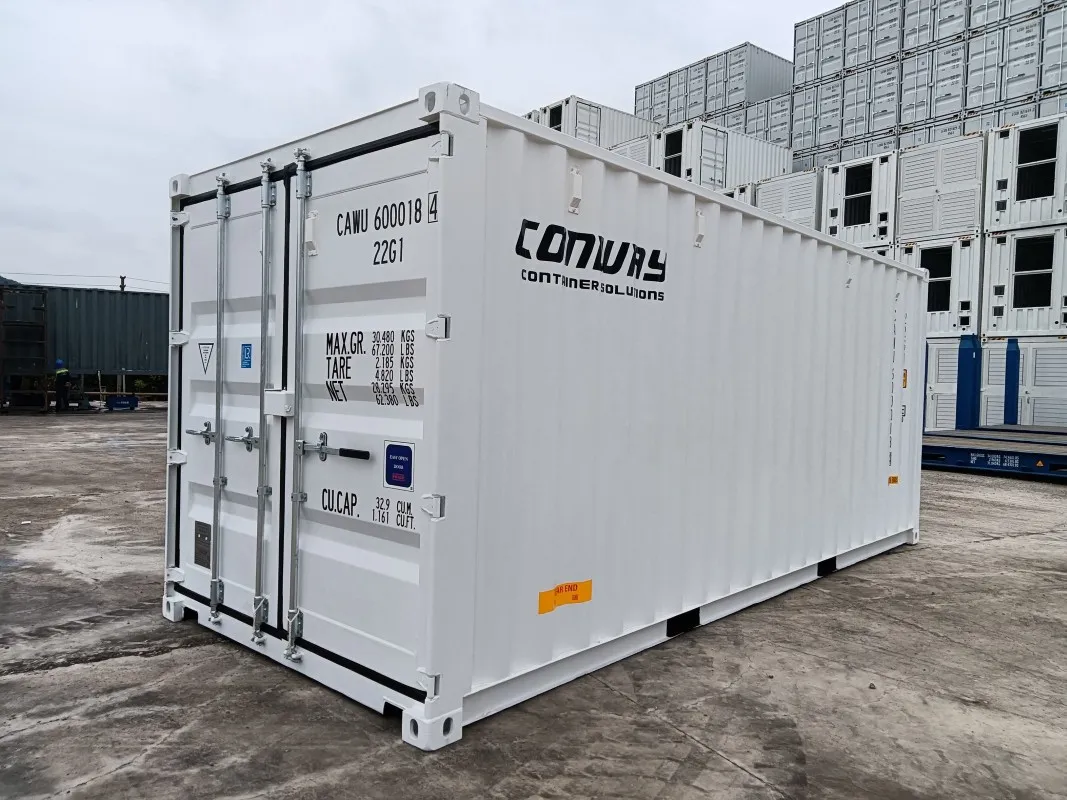
We guarantee all units are wind and watertight. Wind- and watertight means the unit is fully sealed against the elements, preventing moisture from damaging sensitive stock. For hospitals in Birmingham, Solihull, and the Black Country, we offer both the option to buy units for permanent use or rent containers to handle temporary peaks in demand. Using on-site steel units removes the need for expensive off-site warehousing and reduces the time staff spend retrieving essential gear.
- Medical equipment storage: Secure high-value devices, hospital beds, and wheelchairs in a lockable unit. We recommend a 20ft shipping container for hospital site storage as it fits into standard parking bays.
- PPE and consumables storage: Keep gloves, masks, gowns, and cleaning supplies organised and ready for immediate use.
- Archive and records storage: Protect paper patient files and financial records from damp and pests. For these sensitive paper items, we recommend new one-trip units. A one-trip container is a new unit that has made one journey from the factory to the UK, ensuring the highest internal quality.
- Maintenance and estates storage: Store groundskeeping tools, estate repair equipment, and seasonal furniture in a secure central hub.
- Overflow pharmacy stock: Use secure units to hold non-temperature-sensitive pharmacy supplies and packaging.
Temperature Controlled Solutions for Pharmaceuticals
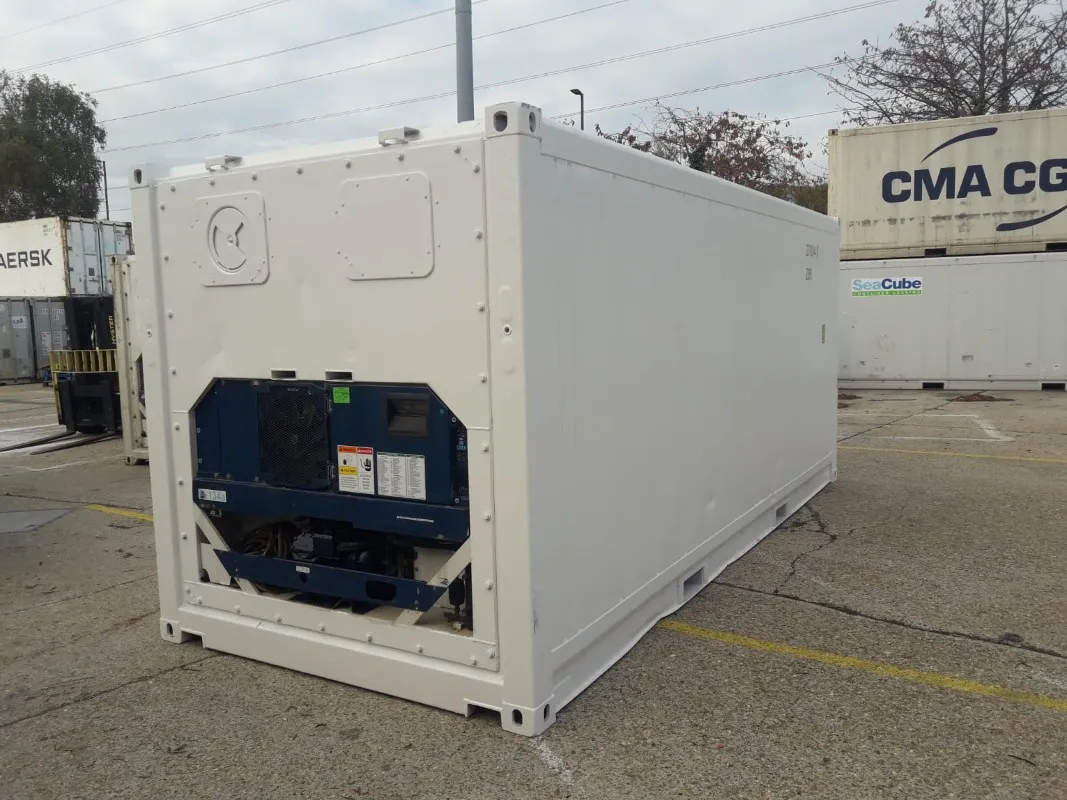
The storage of medicines and biological samples requires precise climate control. Shipping Containers of Birmingham supplies specialised refrigerated units that can maintain a constant temperature between -25 and +25 degrees Celsius. These units are vital for vaccine storage, laboratory support, and blood bank backups. Our refrigerated fleet uses high-grade insulation and a reliable cooling plant to ensure stock integrity.
For smaller pharmaceutical requirements, a 20ft refrigerated container provides a compact footprint. For large-scale distribution or hospital-wide cold chain management, a 40ft refrigerated container offers significant volume. These units feature aluminium T-bar floors designed to allow cold air to circulate under the cargo, keeping the temperature even throughout the space. We can deliver these units as a plug-and-play solution, requiring only a suitable power connection to start operation.
Clinical Conversions and Rapid Response Units
Beyond simple storage, steel boxes serve as functional medical spaces. Shipping Containers of Birmingham can modify containers with insulation, lighting, heating, and plumbing to create clinical environments. These relocatable buildings help healthcare providers manage patient surges or maintain services during hospital renovations. Because they are modular, you can join units together to create larger facilities or stack them to save space in crowded urban hospital sites.
- Temporary clinic units: Create extra consult rooms or triage spaces with wipe-clean walls and hygienic flooring.
- Laboratory support containers: Set up a secure, climate-controlled space for sample processing, histology, or housing delicate testing equipment.
- Vaccination and testing pods: Deploy rapid-response units to community locations, car parks, or rural areas across the Midlands.
- Staff welfare and changing units: Provide clean, private spaces for healthcare workers to rest, change, or take breaks away from clinical zones.
- Mobile healthcare support buildings: We can move containers between different NHS sites as regional demand shifts or projects finish.
Ready to Start Your Container Project?
Get expert advice on container sales and hire today.
Specialist Containers for Large Medical Infrastructure
When healthcare facilities undergo major upgrades, they often need to move large plant machinery or heavy imaging equipment. Shipping Containers of Birmingham provides specialist units to handle these complex logistics. If you need to load heavy equipment from above using a crane, the 20ft open-top container or 40ft open-top container is the correct tool. These units feature a removable tarpaulin instead of a fixed steel roof.
For side-loading large pallets of medical supplies or long lengths of building materials for estate works, we recommend the 20ft open side container. This unit has doors that open along the entire length of the side wall. For exceptionally heavy items like large generators or cooling towers that exceed standard dimensions, a 20ft flat rack container or 40ft flat rack container provides a reinforced platform without side walls.
If you intend to use a container for international medical aid or shipping equipment overseas, the unit must have a valid CSC plate. A CSC plate is a safety approval plate used for international shipping to prove the unit is structurally sound. We also provide units that meet IICL standards. IICL stands for the International Institute of Container Lessors, and this standard ensures the highest benchmark for repair and condition. You can find more details about our quality standards on our dedicated page.
Logistics, Delivery, and Site Safety
We deliver all units using HIAB vehicles. A HIAB is a truck with a hydraulic crane that can lift the container over fences, walls, or obstacles and place it exactly where you need it. This is ideal for busy hospital courtyards where space is tight. Our drivers are experienced in navigating complex healthcare sites and follow strict safety protocols to ensure a smooth delivery with minimal disruption to patient services. We can also move containers you already own to new locations as your facility evolves.
To ensure a safe delivery, you must check the ground conditions and overhead clearance. We deliver onto hard-standing ground such as concrete, tarmac, or compacted gravel. We cannot deliver onto soft mud or grass as the vehicle will sink. It is vital to check for overhead power cables, low trees, or building overhangs. The HIAB crane needs significant vertical space to operate safely. We also ask you to consider the unit's tare and payload. Tare is the weight of an empty shipping container. Payload is the maximum weight of goods the container can safely carry. For a standard 20ft unit, the tare is roughly 2.2 tonnes. Knowing these weights helps us plan the crane lift safely. Contact us before you get container prices if your site has difficult access.
Planning Permission and Security
While shipping containers are often classed as temporary structures, you should still consider local planning regulations. This is especially important for permanent medical clinics or units placed in sensitive areas. We recommend you check the UK Planning Portal or contact the Birmingham City Council planning department for guidance. Shipping Containers of Birmingham can provide the dimensions and technical drawings needed to support your application.
Security is a priority for healthcare assets. We fit a lock box to our units as standard. A lock box is a steel shroud that protects your padlock from bolt cutters. This makes the unit a secure vault for expensive medical devices. For very sensitive items, we recommend choosing a 40ft shipping container for its high capacity and robust structure, providing a formidable deterrent against theft.
Can I use a refrigerated container for blood or plasma storage?
Yes, our 40ft refrigerated containers provide precise temperature control between -25 and +25 degrees Celsius. They are ideal for large-scale chilled storage. We recommend a one-trip refrigerated unit for medical use to ensure the internal lining is in perfect condition. Contact Shipping Containers of Birmingham to discuss your specific medical temperature and power requirements.
How do you prevent condensation in medical archive containers?
Steel containers can suffer from condensation when temperatures change. This is often called "container rain." We can modify your unit with anti-condensation coatings or internal insulation and lining. This prevents moisture from dripping onto patient records and textbooks, ensuring your archives remain dry and usable. You can see our modification options on our modify page.
How quickly can you deliver a container to a Midlands hospital?
We usually deliver within a few working days. Shipping Containers of Birmingham maintains a large stock of new and used units at its regional depots, enabling rapid deployment. Once you get container prices and confirm your order, we schedule the HIAB delivery immediately to help you manage your site capacity.
Do I need planning permission for a medical storage unit?
Many temporary storage units do not require planning permission. However, for permanent clinics or units in use for a long time, you must check with your local council. You can find more advice on the UK Planning Portal. We can provide the dimensions for any 20ft shipping container to help with your assessment.
What is the difference between a one-trip and a used container?
A one-trip container is a new unit that has only carried one load of cargo to the UK. These units look professional and are the best choice for public-facing hospital areas. Used containers are retired from shipping lines. While they may have dents and surface rust, Shipping Containers of Birmingham ensures they remain wind and water-tight for secure storage. You can see both grades on our home page.
Can you help us move our medical containers between different hospital sites?
Yes, we specialise in moving containers across the Midlands. Our HIAB transport fleet can lift and transport your assets between NHS trusts or different campus locations, providing a flexible solution for regional healthcare logistics.