Retail Industry Shipping Container Solutions
Retailers need practical space for stock, equipment and customer-facing activities. Shipping Containers of Birmingham supplies steel shipping containers for retail storage, seasonal demand, shop-fit equipment and modified retail units. You can buy a container for longer-term use or hire containers when extra space is needed for a temporary stock peak or event.
Extra storage for retail stock
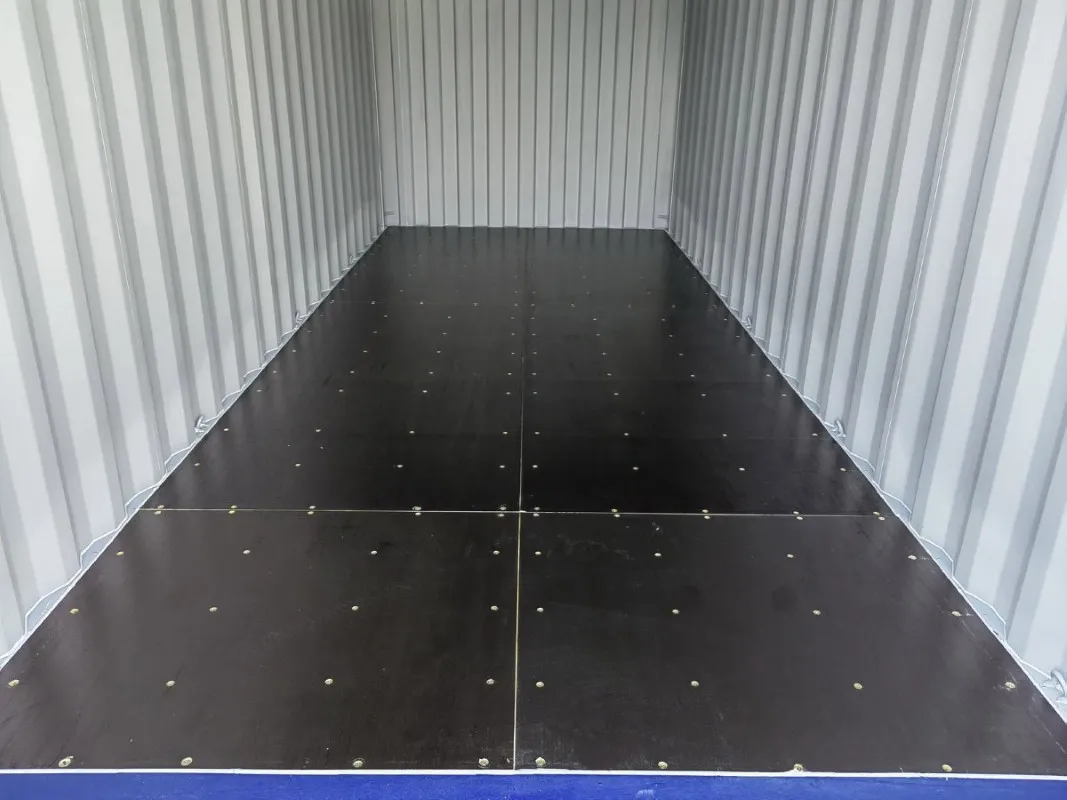
A shipping container can provide a separate storage area when stock levels exceed the space available in a shop or stockroom. It can hold back-stock, store fixtures and displays, or keep equipment away from the customer area. This may help retailers organise available indoor space without mixing reserve stock with day-to-day operations.
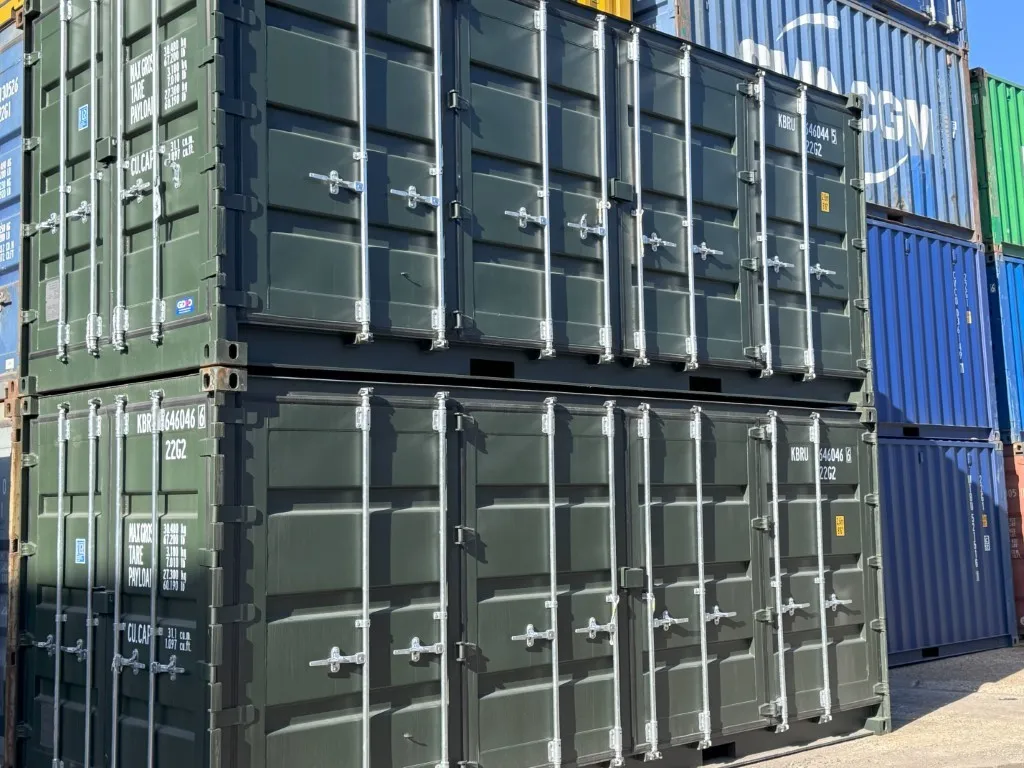
A 20ft shipping container can suit general stock storage where the available site area is limited. A 40ft shipping container provides more storage length for larger volumes of goods, shop furniture or display equipment. The choice should reflect the amount and type of stock being stored, the space available for the container and the access needed for loading.
- Back-stock: Keep reserve products in a separate steel unit rather than filling the shop floor or working area.
- Seasonal stock: Use additional space for temporary increases in stock during busy retail periods.
- Fixtures and displays: Store shelving, mannequins, promotional stands and other equipment between campaigns.
- Retail equipment: Keep cleaning machinery, trolleys and other operational equipment in a dedicated area.
Retail goods can be affected by moisture and changes in temperature. If clothing, electronics, paper products or other sensitive items will be stored, discuss ventilation, insulation or lining before choosing the container. These measures need to match the goods and the conditions at the site, and they do not remove the need for sensible packing and stock checks.
Buying or hiring a container for retail use
Buying may be suitable where the container will form part of an ongoing storage arrangement or a permanent retail project. Hiring can provide additional space for a defined period, such as a seasonal stock increase, a store refit or an event. The right arrangement depends on how long the space is needed, how the container will be used and whether it may need to move later.
Ready to Start Your Container Project?
Get expert advice on container sales and hire today.
Shipping Containers of Birmingham supplies both new and used units. A one-trip container generally refers to a unit that has completed a limited initial shipping journey. It should not automatically be treated as unused. Used containers can vary in appearance and condition, so ask for the condition that is appropriate for your stock and intended use. Where protection from normal rain and wind is required, confirm that the container is described as wind and watertight. This does not mean that it is airtight.
Retail fit-outs, displays and specialist loading
Some retail projects involve bulky shop-fitting materials, wide displays or equipment that is difficult to load through the end doors of a standard container. An open-top container has a removable cover rather than a fixed steel roof, which can assist with loading certain items from above. The 40ft version may be considered where a longer storage area is needed.
An open-side container provides access along the side of the unit and may help with long items, wide pallets or goods that need to be loaded from a different position. A 20ft open-side container can be considered for retail displays and shop-fit equipment where side access is useful.
For unusually wide or heavy items, a 20ft flat rack container provides a platform without standard side walls. Flat racks need careful planning because the goods, loading method, support and delivery position must all be suitable. They are not a default replacement for a standard storage container.
Modified containers for pop-up retail
A shipping container can be adapted for a pop-up shop, sales pod, kiosk or event support unit where the project needs a more defined customer-facing space. Possible modifications described for retail applications include windows, serving hatches and glass bi-fold doors. Insulation, lining, lighting and power points may also be considered for a modified interior, subject to the design and intended use.
Container cafés and food kiosks require more than an opening in the side of the unit. Layout, surfaces, services, ventilation and the proposed site all need to be considered. A modified container can also combine a sales area with storage for stock and equipment. Discuss the required changes through the container modification service before selecting the base unit.
Branding can form part of a retail fit-out. The source material refers to respraying units in a chosen RAL colour, but the required finish and suitability should be confirmed for the specific project. Any modified container must also be assessed in relation to its placement and intended use.

Refrigerated storage for food and beverage retail
Food and beverage retailers may need temperature-controlled space for perishable goods, event stock or overflow from an existing cold-storage area. Shipping Containers of Birmingham supplies refrigerated containers for this type of requirement. A 20ft refrigerated container or 40ft refrigerated container can be considered according to the amount of stock and the space available at the site.
Refrigerated units have different operating requirements from standard dry containers. Confirm the required temperature, power supply, loading pattern and position before arranging the unit. Pallet access, drainage and the ability to inspect stock should also form part of the site assessment. The selected unit should be matched to the goods rather than chosen by size alone.
HIAB delivery and retail site preparation
Shipping Containers of Birmingham uses HIAB delivery. HIAB is the common UK term for a lorry-mounted crane used to unload and position a container. The proposed position may be suitable for storage but still unsuitable for delivery if the vehicle cannot reach an appropriate lifting position.
Check the access route, turning space and vehicle position before ordering. Look for overhead cables, trees, building overhangs, walls and fences that could affect the lifting operation. Do not assume that the HIAB can lift over an obstruction or place the container in any requested position.
The proposed position should provide firm, reasonably level support suited to the site and expected load. Soft or uneven ground can contribute to settlement and affect door operation. Consider drainage, door orientation, loading access and whether there will be enough access for future collection or repositioning.
If a container already forms part of your retail operation and needs to be relocated, discuss the movement requirements through the container movement service. The site, container use and intended position should be reviewed before movement is arranged.
Planning considerations for retail containers
A container used for stock storage may raise different planning considerations from a modified unit used as a shop, café or customer-facing structure. Planning requirements can depend on how the container will be used, how long it will remain in place, the status of the site, its visibility, nearby neighbours and local planning policy. Listed buildings, conservation areas, a change of use or a prominent position may create additional considerations.
Planning permission is not automatically required or excluded for every container placement. Check current requirements with the relevant local planning authority before committing to the proposed placement or use. It is also sensible to consider access, services, drainage and the effect of the container on normal retail operations at the site.
Choose a container around the retail operation
Start with the goods, loading method and period of use. Standard 20ft and 40ft containers cover many stock-storage requirements, while open-top, open-side, flat-rack, refrigerated and modified units address more specific retail needs. Buying, hiring, delivery and site preparation should be considered together rather than treated as separate decisions.
Once the intended use and site conditions are clear, you can request container prices for a suitable retail container.