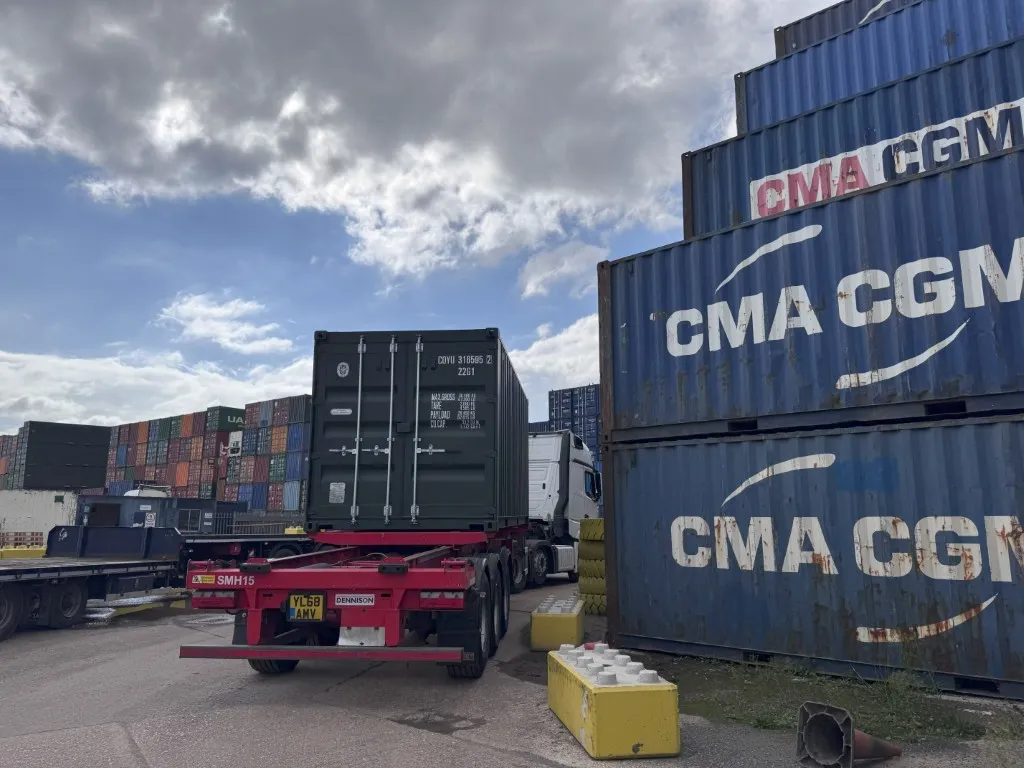
Logistics and Transportation Shipping Container Solutions
Secure Storage for Midlands Logistics Hubs
Logistics hubs in the West Midlands require flexible storage to manage cargo volumes. Shipping Containers of Birmingham provides industrial-grade equipment to support transport depots in Birmingham, Solihull, and the Black Country. Our units are made of Cor-Ten steel, a weathering steel that forms a protective rust layer to prevent deep corrosion. This ensures your assets remain secure in outdoor depot environments for many years.
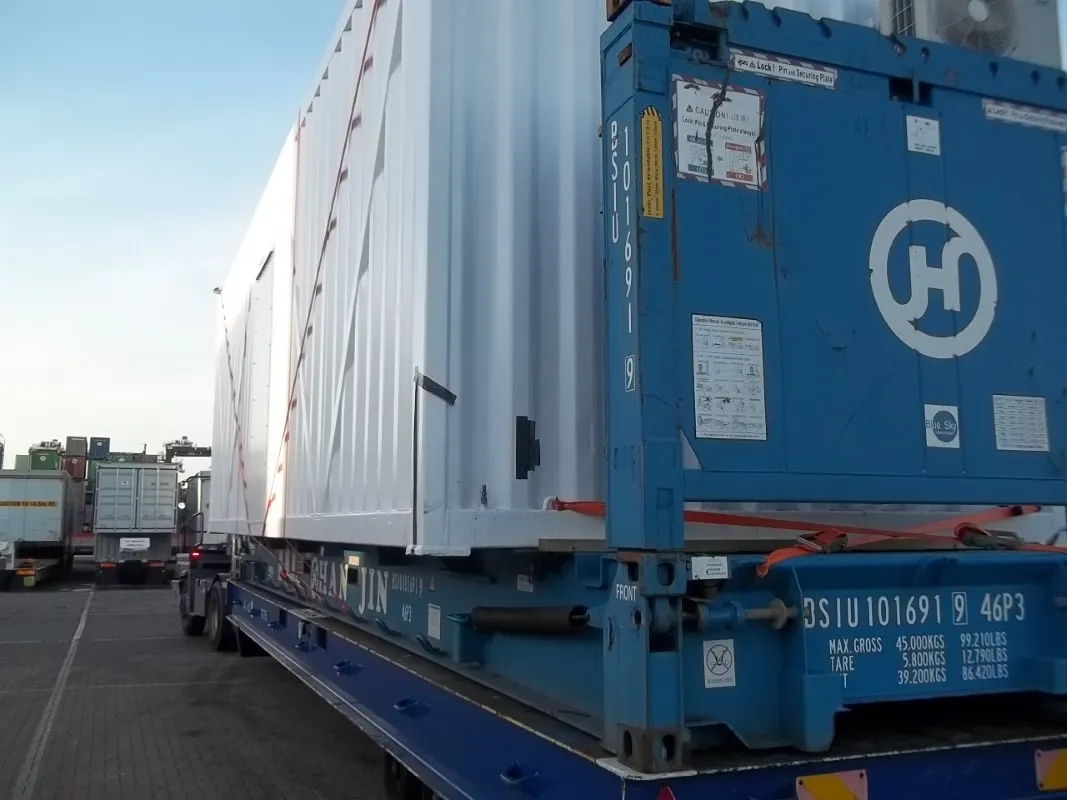
Every unit we supply for transport meets ISO standards, ensuring they are structurally sound for stacking. If you need to ship cargo overseas, we ensure the unit includes a valid CSC plate. A CSC plate is a safety certificate that proves the unit is fit for international shipping. Whether you choose to buy units for a permanent site expansion or rent containers for seasonal surges, we provide the scale and speed required by the transportation sector.
- Freight and cargo storage: Use a 40ft shipping container to handle large volumes of transit stock. These units offer over 2,300 cubic feet of space, making them ideal for palletised goods.
- Spare parts and fleet stock storage: Keep tyres, oils, and engine parts organised in a secure hub. A 20ft shipping container fits into a standard parking bay and provides excellent security for high-value fleet assets.
- Secure depot equipment storage: Protect tools and yard equipment from theft with a factory-fitted lock box. A lock box is a steel shroud that protects your padlock from bolt cutters.
- Cross-dock overflow storage: Manage inventory surges without cluttering your main warehouse floor. We provide wind- and watertight units, which means the container is fully sealed against rain and wind, keeping the interior dry.
- Hazardous materials storage: We can modify containers to include bunded floors, which are internal trays designed to catch and contain spills.
Specialist Equipment for Complex Logistics
The transportation sector often handles cargo that does not fit into a standard steel box. Shipping Containers of Birmingham stocks specialist units to solve these logistical hurdles. For temperature-sensitive freight such as pharmaceuticals or perishables, we supply 20ft and 40ft refrigerated containers. These units feature a high-performance cooling plant and aluminium T-bar floors to ensure even airflow around the cargo.
If you need to load heavy machinery or tall items from above using a crane, the 20ft open-top container or 40ft open-top container is the correct tool. These units replace the steel roof with a removable tarpaulin. For side-loading pallets or long lengths of material, we recommend the 20ft open side container. This unit has doors that open along the full length of the side wall for unrestricted access.
For exceptionally bulky or heavy cargo like bridge sections or oversized plant, we provide flat rack solutions. A 20ft or 40ft flat rack container has no side walls, providing a reinforced platform for heavy industrial loads. Before you load, you must check the payload. Payload is the maximum weight of cargo the container can safely carry. You should also check the tare, which is the weight of the empty container, to plan your lift safely.
Operational and Depot Support Units
Modern transport depots require more than just storage. Shipping Containers of Birmingham provides functional spaces that help you manage your fleet and staff effectively. Our conversion team can modify units to create professional hubs that can be moved as your yard layout evolves. This flexibility is essential for hubs that need to adapt to changing freight volumes.
- Mobile traffic offices: We fit units with insulation, windows, and electrics to create a professional workspace for dispatch teams.
- Driver welfare units: Provide clean, secure areas for drivers to rest, change, or take breaks. These units help you meet health and safety rules for staff welfare.
- Gatehouse and checkpoint units: Manage yard security and vehicle tracking from a dedicated entry pod at your depot gates.
- Equipment housing: Protect delicate electronics, comms gear, and server stacks in a secure steel shell.
- Workshop units: Create a dry, lockable space for on-site vehicle maintenance or fabrication.
If your operations move to a new hub, we can move containers using our transport fleet. We understand that logistics projects often move in phases, and our ability to relocate assets quickly helps keep your business running. You can learn more about our history of supporting Midlands transport networks on our dedicated page.
Condition Grades for Logistics Use
Choosing the right container grade depends on your specific application. Shipping Containers of Birmingham offers two main grades for the logistics sector. For high-profile sites or where appearance is a priority, we recommend a one-trip container. A one-trip container is a new unit that has made one journey from the factory to the UK. These units feature fresh paint and minimal dents.
For general site storage or for use within a busy depot, a used container is a cost-effective choice. We inspect every used unit to ensure it meets the IICL standard. IICL refers to the International Institute of Container Lessors, and this standard ensures the container is structurally sound and wind and watertight. Regardless of the grade, all our units are built to withstand the rigours of the global transportation network.
Ready to Start Your Container Project?
Get expert advice on container sales and hire today.
Delivery, Site Access, and Compliance
We deliver all our units using HIAB vehicles. A HIAB is a lorry with a hydraulic crane that can lift and place the container exactly where you need it. This allows us to place units in tight depot spaces or over small fences without the need for a separate crane on site. Our drivers are experienced in navigating busy transport hubs and follow strict safety protocols during the lift.
To ensure a safe delivery, you must check the ground conditions. We deliver onto hard-standing ground such as concrete, tarmac, or compacted gravel. We cannot deliver onto soft mud or grass as the heavy HIAB vehicle will sink. You must also check for overhead obstructions, such as power cables or low building overhangs. The HIAB crane needs significant vertical clearance to operate safely. If you have any concerns about site access, contact us before you get container prices so we can review your location.
While shipping containers are often considered temporary structures, you should still consider local regulations. If you plan to keep a unit on your site permanently, you should check the Birmingham City Council planning portal or the national UK Planning Portal for guidance. Shipping Containers of Birmingham can provide the technical drawings and dimensions needed to support your application.
What is the payload of a 40ft container for freight storage?
The payload is the maximum weight of cargo you can safely load. For a standard 40ft shipping container, this is roughly 26,000kg to 28,000kg. You should always check the CSC plate on the container doors for the exact figures. Shipping Containers of Birmingham ensures every unit is structurally sound to handle its maximum rated weight.
Can you supply open-top containers for oversized cargo?
Yes, we provide 40ft open top containers and 20ft models. These are ideal for cargo that is too tall for standard units or requires loading from above. They feature a removable tarpaulin roof and a swing-out rear header bar to make loading easier. These units are a vital tool for heavy plant logistics.
How do I prevent condensation from damaging freight inside the container?
Temperature changes can cause moisture to build up on the roof and drip onto cargo, a process known as "container rain." We can modify your unit with anti-condensation coatings or internal insulation and lining. This keeps your goods dry and prevents damage to sensitive packaging or electronics in a wind and water-tight environment.
How quickly can you deliver to a depot in Birmingham?
We usually deliver within a few working days. Shipping Containers of Birmingham carries a large stock of new and used units at our regional depots, allowing us to respond quickly to your site needs. Once you get container prices and confirm your order, we schedule the transport immediately.
Do I need a special foundation for a container office?
The ground must be level and firm, such as concrete, tarmac, or compacted road stone. If the surface is not level, the container frame may twist, which makes the heavy steel doors difficult to open. We can provide advice on site preparation to ensure your modified office remains stable and functional throughout its lifespan.
Can you help us move our containers between different Midlands sites?
Yes, we specialise in moving containers across the Midlands transport network. If you are relocating your depot or moving assets between hubs, our HIAB transport team can safely lift and transport your assets, providing a complete logistical support service.