Storage Container For Hire Oakham
Shipping Containers of Birmingham supplies secure steel storage units to businesses and residents in Oakham. Situated in the heart of Rutland, Oakham requires reliable storage solutions for its mix of agricultural, retail, and industrial sectors. From the Pillings Road Industrial Estate to private properties near Rutland Water, we provide high-quality containers. We manage the logistics, ensuring you receive a clean, secure unit exactly when you need it.
We supply containers for construction projects, school equipment storage, and seasonal agricultural use. Our team handles the delivery and collection, guiding you through site access checks and ground preparation. You receive a wind and watertight unit ready for immediate use.

Container Sizes and Specifications
We stock standard ISO containers at our Midlands depots. These units are built from weathering steel, designed to withstand rural environments and deter theft.
20ft Shipping Containers
The 20ft shipping container is the industry standard for hire. It fits into a standard parking space and offers approximately 1,170 cubic feet of storage. It is ideal for storing tools, furniture, or palletised stock.
- External Length: 20ft (6.06m)
- External Width: 8ft (2.44m)
- External Height: 8ft 6in (2.59m)
- Floor Area: 150 sq ft (13.9 sq m)
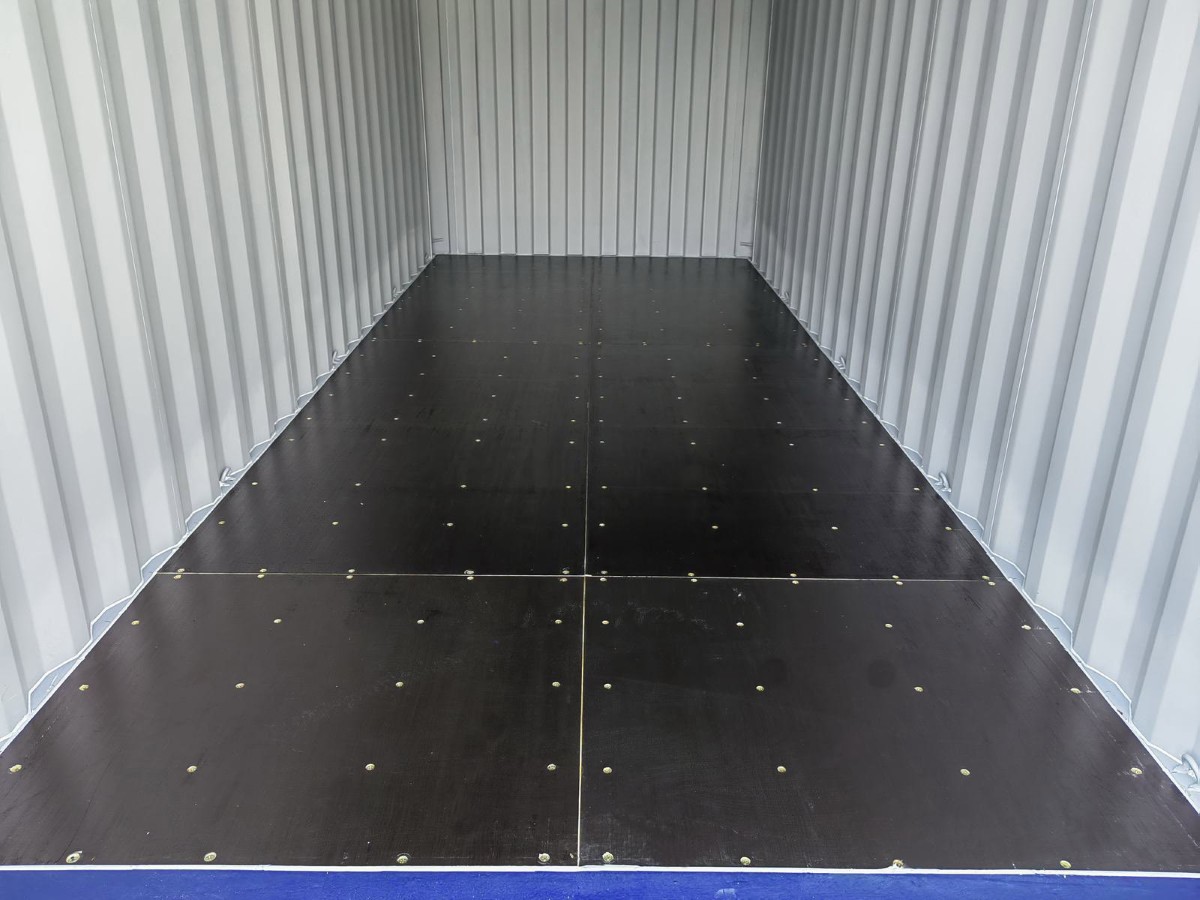
These units feature double cargo doors that open 270 degrees. This allows you to load pallets or large machinery using a forklift. The floor is marine-grade plywood, capable of supporting heavy loads.
40ft Shipping Containers
For larger sites with good access, the 40ft shipping container provides double the capacity. These units are cost-effective for high-volume storage but require significantly more space for delivery and turning.
Delivery to Oakham
We deliver using a HIAB vehicle with an on-board crane. The driver lifts the container off the side of the truck and places it on your site. Successful delivery requires preparation.
Access Requirements
The delivery vehicle is large. A truck carrying a 20ft container is roughly 35ft long and 10ft wide. We need clear access from the A606 or A6003 to your specific drop-off point. Narrow lanes, level crossings, or low bridges in Rutland can cause issues. If you suspect access is tight, send us photos or a map view so we can assess the route.
Ground Conditions
You must place the container on hard standing. Concrete, tarmac, or compacted stone are suitable surfaces. We cannot place containers on grass or soft soil. The weight of the steel box will cause it to sink, twisting the door frame and preventing the doors from opening. If you must use a softer area, you need to reinforce the corners with concrete slabs or railway sleepers.
Overhead Clearance
The crane arm extends upwards to lift the container. We need at least 20ft of overhead clearance. Check for tree branches and telephone lines. We must maintain a safe distance from overhead power cables. If live cables are present, the driver will refuse to lift the container for safety reasons.
Security and Condition
Our hire fleet consists of "wind and watertight" containers. This means the structure is sound, and the door seals are intact to keep out rain and vermin. While the exterior may show cosmetic wear such as dents or surface rust, the unit is secure.
For added protection, we recommend a lockbox. This steel cowl covers the padlock, shielding it from bolt cutters and angle grinders. It significantly improves security against opportunistic theft.
Hire vs Buy: Making the Right Choice
We offer options to hire or buy a shipping container in Oakham. The best choice depends on your project timeline.
Renting
Hiring is the best option for short-term needs. It offers flexibility without a high upfront cost. You pay a fixed weekly rate and return the unit when you finish. This suits construction projects, seasonal retail storage, or temporary support during a move.
Buying
Buying is more economical if you need storage for more than two years. You own the asset and can modify it—for example, by adding electrics or shelving. However, you are responsible for maintenance and eventual disposal.
Planning Permission in Oakham
Temporary shipping containers often fall under permitted development rights, particularly if they support ongoing construction work. However, placing a container permanently in a residential area or near a listed building may require planning permission.
Oakham falls under the Rutland County Council. We recommend you check the specific rules for your property via the Rutland County Council Planning Portal. Checking early prevents enforcement issues later.
How quickly can you deliver to Oakham?
Delivery times depend on stock availability and transport schedules. We can often deliver standard 20ft containers within 3 to 5 working days. If you have a critical deadline, contact our team to reserve your slot.
Do I need to be on site for delivery?
Yes. Someone must be present to sign for the delivery and guide the driver. You need to show the driver exactly where to position the unit. Once the driver leaves, we cannot move the container without charging for a new transport job.
Can you stack containers?
Yes, shipping containers are designed to be stacked. However, you need units with compatible corner castings and must use twistlocks to secure them. You must inform us in advance if you plan to stack units so we can ensure the delivery vehicle is equipped to handle the operation.
What if the doors stick?
Doors usually stick because the container is not level. If the ground is uneven, the container frame twists. You must prepare a level base before we arrive. The driver can use shims to level the corners, but they cannot fix significant ground issues.
Do you offer refrigerated containers?
Yes, we hire refrigerated containers for events or cold storage. These units require a reliable 3-phase power supply on your site to function.
Can I paint the rental container?
No. You cannot paint or modify hire units. They must return to us in the same condition they arrived. If you need a specific colour, you should consider buying a container instead.